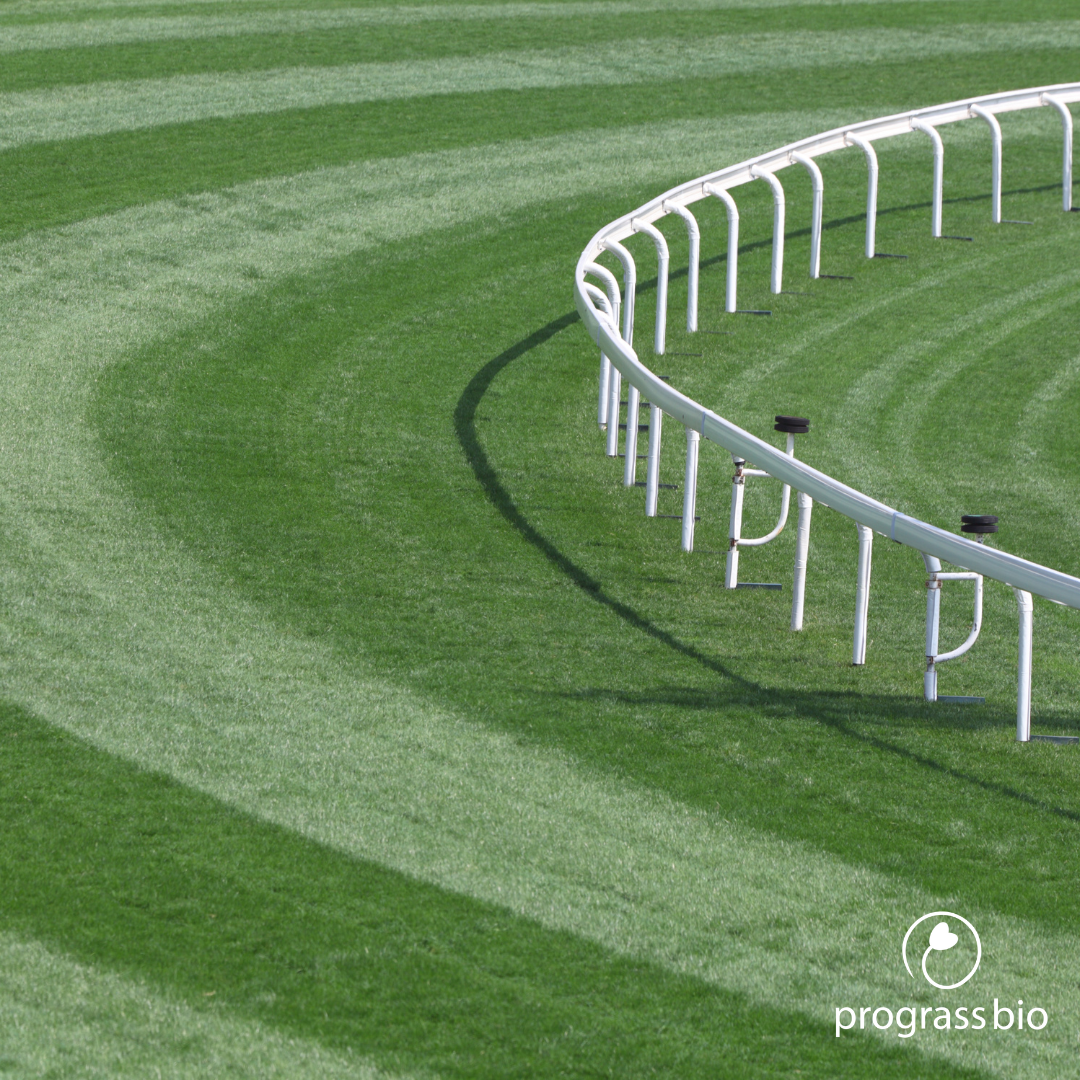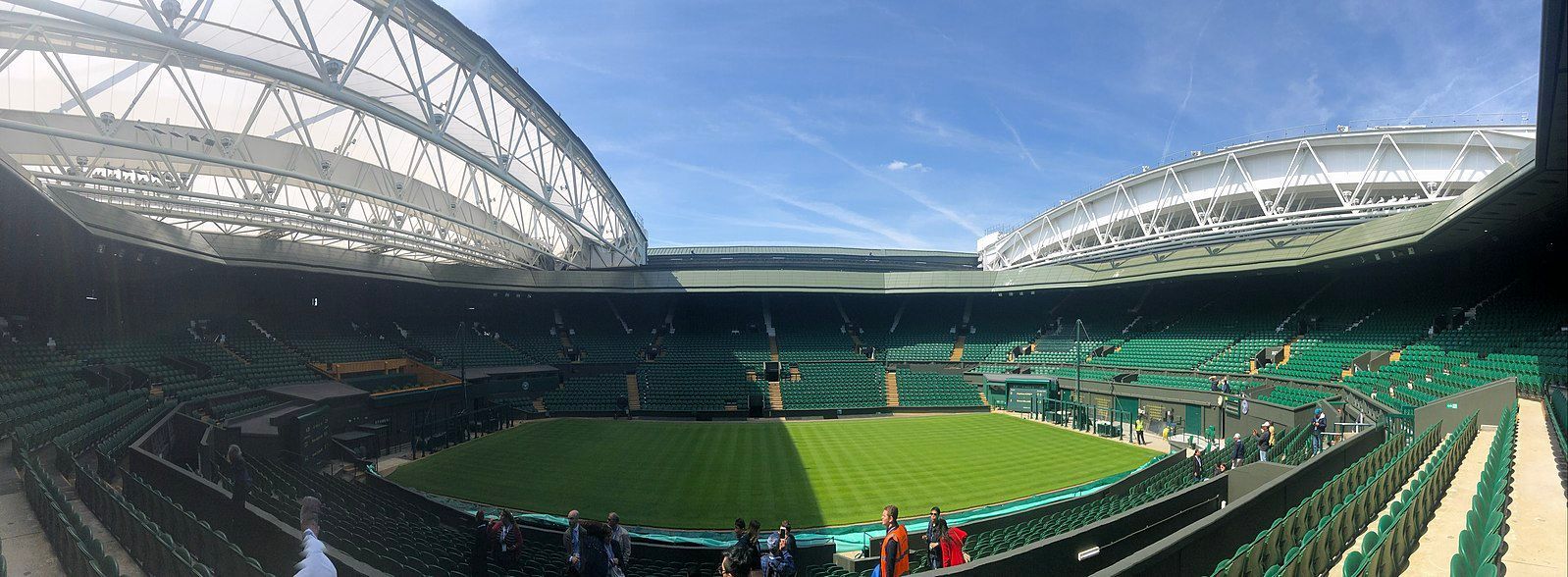
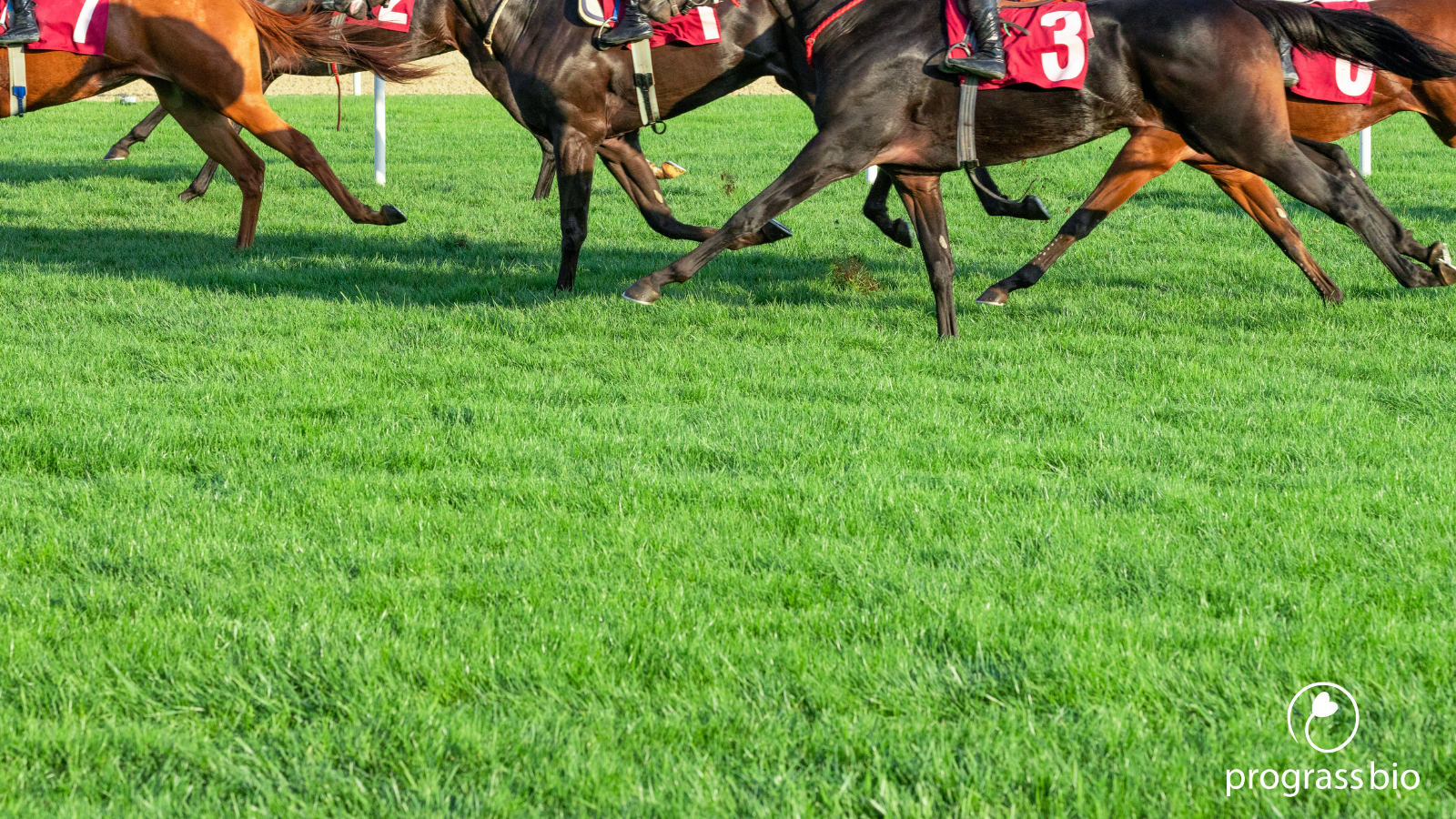
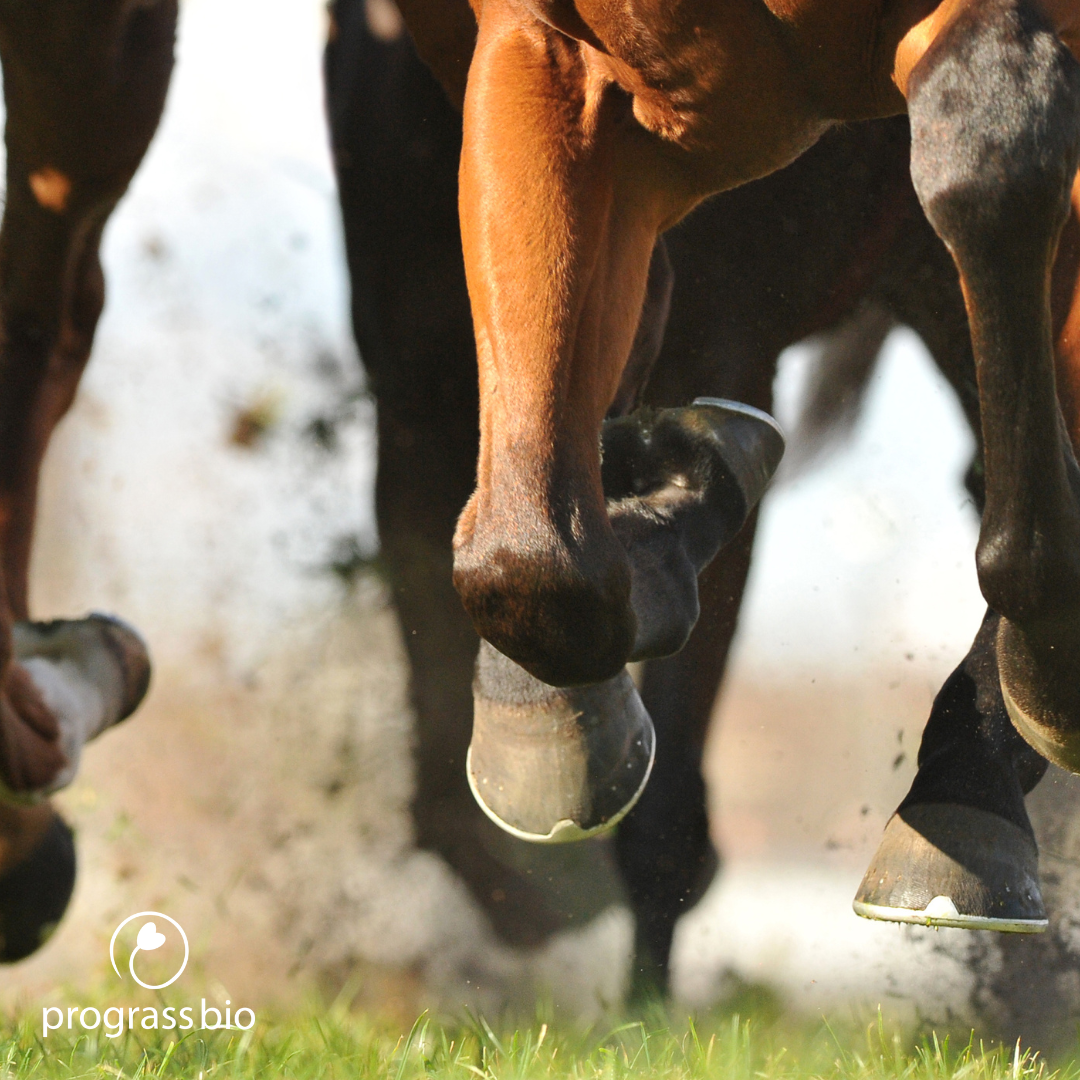
Physically, turf courses tend to be easier on horses. The grass cushions the impact of their footfall and generally causes less kickback than on a dirt surface. This mainly benefits the horses by reducing the strain on their legs and joints. Additionally, horses galloping can exert extreme downward force on racetracks. As a result, it is imperative that the grass used at racecourses is robust, durable and can withstand the intense wear and tear of horse racing.
Grass racecourses also create more challenging races because of their uneven and varied surface. This demands more from the jockey, showcasing their skill at the sport, while providing the rider with a softer cushion in cases where they may fall off the horse.
Rainfall can also dramatically affect how well a horse and a jockey perform. A high level of upkeep is required to ensure that grass surfaces are not saturated and overrun by weeds in the lead-up to a big race meeting.